

2025-11-04
Winches are generally simple in design but possess substantial towing capabilities, making them ideal for pulling and lifting heavy objects over long distances.· Features: High towing force, long capa
Learn More>>

2025-11-03
The reason why chain hand chain hoists can be used in so many different scenarios is due to their unique design and operating principles:- **Compact and efficient**: They utilize a gear transmission s
Learn More>>

2025-10-31
When selecting and using clean electric hoists, there are several additional details that deserve your attention:· Determine the specific application scenario: Based on the cleanliness requirements of
Learn More>>
2025-10-30
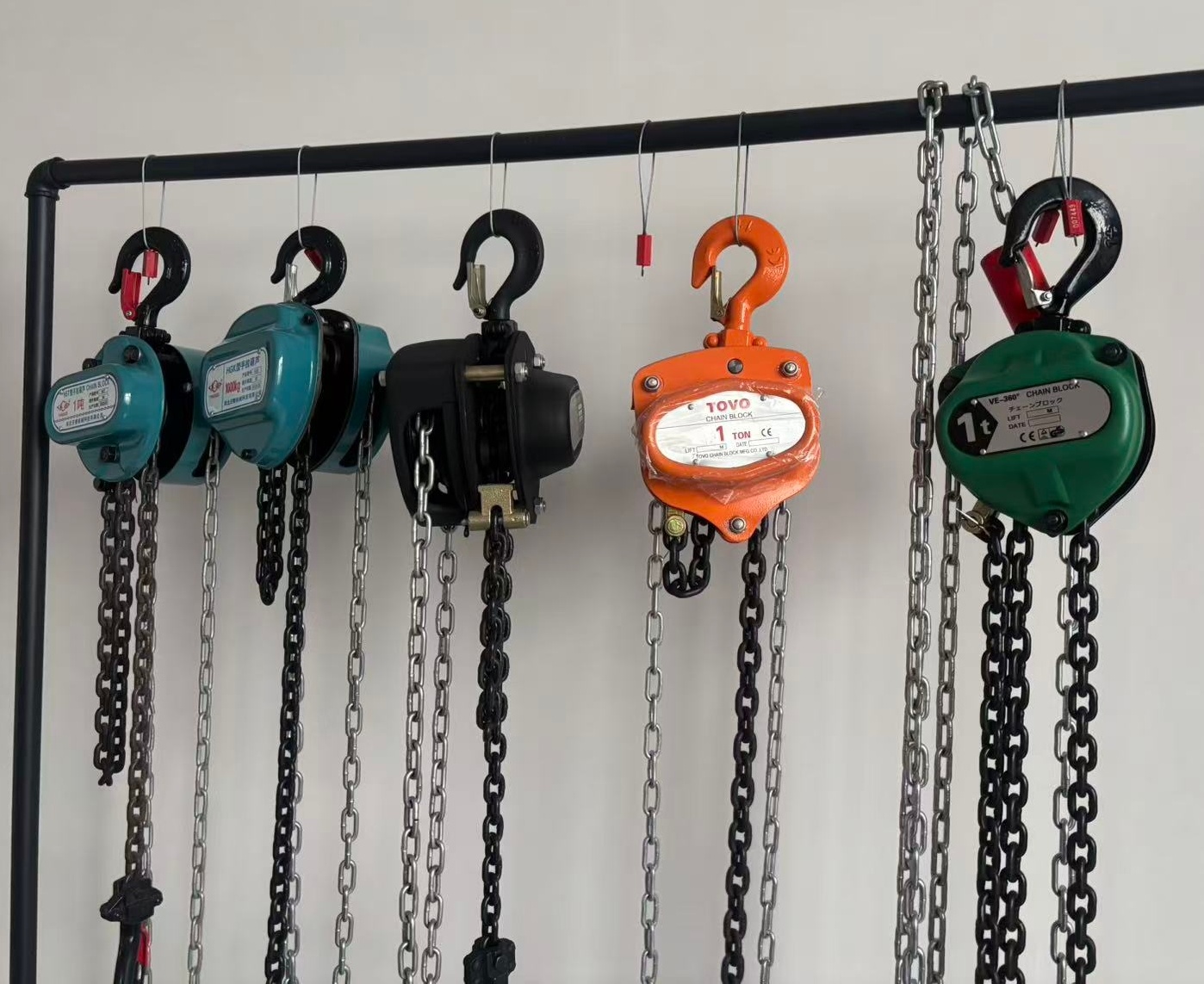
Principle Summary: The essence of a hand chain hoist is a “manually powered, self-locking, high-reduction-ratio gear crane.”· The key to saving effort lies in its high-reduction-ratio gear system, whi
Learn More>>

2025-10-29
The lifting process of a chain hoist:- When you pull the chain hoist chain forward (or downward), the gears transmit the force, releasing the pressure in the brake mechanism and causing the friction p
Learn More>>

2025-10-28
Okay, the working principle of a chain hoist can be understood as replacing the manual drive mechanism found in a traditional hand-pulled hoist with an electric drive system, while also incorporating
Learn More>>

2025-10-27
MD1 Electric Hoist Selection and Usage Guidelines· Selection Reference: The lifting speeds can vary depending on the load capacity of the hoist. For example, the normal lifting speed for hoists up to
Learn More>>
2025-10-24
Wire Rope Tensioner:1. After ensuring that all connections are correct, begin to operate the handle back and forth.2. Tightening the rope: Turn the handle in the direction indicated as “Tighten” (usua
Learn More>>