

2025-12-11
The 6-ton lever hoist is a versatile manual lifting tool suitable for various working scenarios where there is no power supply or limited space.Aluminum alloy lever hoist is a lightweight lifting tool
Learn More>>
2025-12-10
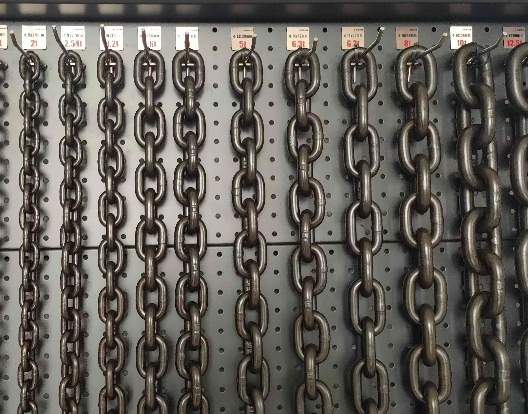
Rated working load This is the bottom line for safety. The rated load of the chain must be greater than the weight of the object being hoisted, and the safety factor must be considered. According to t
Learn More>>

2025-12-09
Key points for wire rope installation: The wire rope is the core load-bearing component. Please note when installing: · Fixing method: Priority is given to using rope clamps, wedge-shaped sleeves, etc
Learn More>>

2025-12-08
1. Safety margin: Hoists rated 3 tons should not be operated at full load for a long time. For heavy objects, it is recommended to choose a product that is one level higher than the actual load (such
Learn More>>
2025-12-05
Choosing the right type depends mainly on your specific use:· Conventional workshop lifting and equipment maintenance: choose standard electric chain hoist or running chain hoist. If the operating poi
Learn More>>
2025-12-04
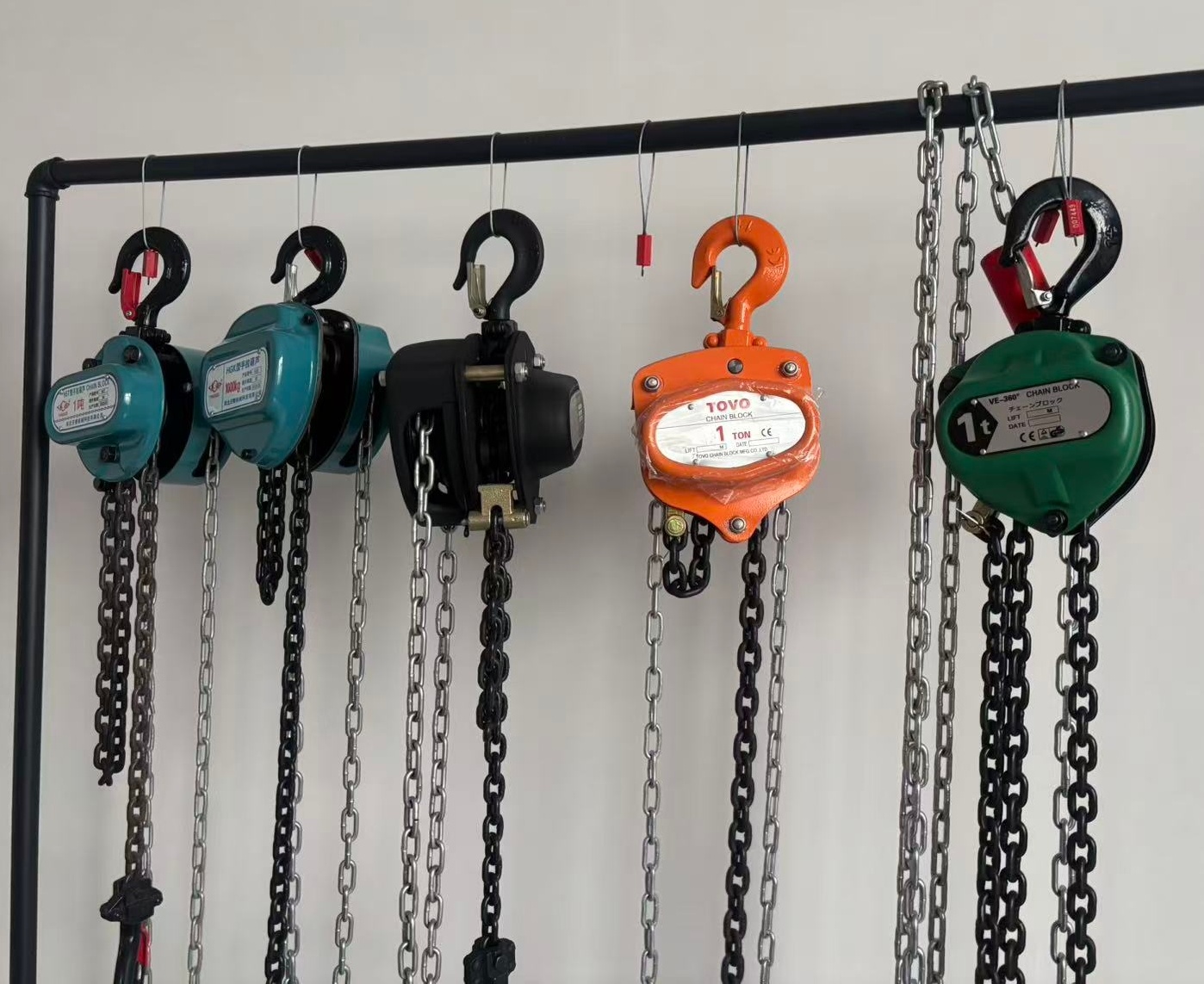
· Interpretation and selection suggestions: This is the basic lifting height of the gourd. Most hoist chains can be extended (such as 3 meters, 6 meters or longer).You need to choose based on the actu
Learn More>>
2025-12-03
You can refine your choices based on your primary use:· Precise installation and traction: For equipment positioning and cable tensioning (cable tensioner), you need to choose a model with smooth oper
Learn More>>
2025-12-02
Hand chain hoists have obvious advantages, but they also come with some limitations:· Low lifting efficiency: Relying entirely on human power results in a slow lifting speed, making them unsuitable fo
Learn More>>