
2026-09-23
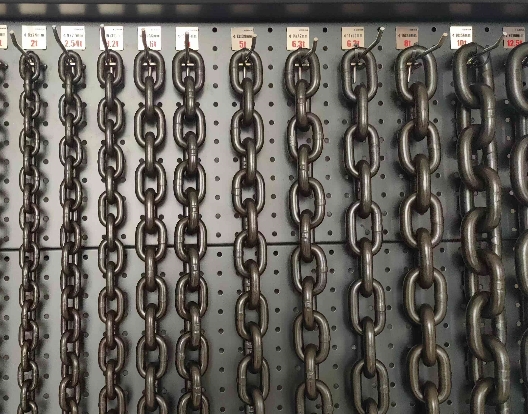
It is not enough to know just the grade; it is the thickness of the chain links that determines the weight that can be lifted. · Nominal diameter (d): The diameter of the round steel bars that make up
Learn More>>
2026-09-22
Precautions for lifting chains · Rust prevention is crucial: Chains with a natural polished finish have weak rust-resistant properties, so they need to be oiled regularly, especially in humid environm
Learn More>>
2026-09-21
Galvanized lifting chains · Appearance: silver-white (white zinc) or yellowish-white (colored zinc), with a glossy finish. · Corrosion resistance: excellent; the zinc coating provides good protection,
Learn More>>
2026-09-20
Blackening (cooked to black) · Appearance: Black. · Rust resistance: Moderate; an oxide film forms on the surface, which is better than the original color. · Main advantages: Higher wear resistance; t
Learn More>>

2026-09-17
· Rated lifting capacity: It is usually between 0.5 tons and 5 tons, though it can reach 10 tons or even 20 tons. · Standard lifting height: Typically ranging from 2 to 12 meters, although it can be c
Learn More>>
2026-09-15
Crane chains should be selected based on the environment and material conditions. In normal environments, standard alloy steel chains are sufficient (such as those made of 20Mn2 material). In humid or
Learn More>>
2026-09-14
When selecting a lifting chain, the key is to ensure that it meets the requirements related to the load, operating conditions, and safety standards; it cannot be chosen as an ordinary iron chain. Belo
Learn More>>

2026-09-10
Key safety rules for wire rope electric hoists: Overloading, pulling at an angle, digging out the hoist from the ground, or lifting at an incorrect angle are strictly prohibited. It is forbidden to us
Learn More>>